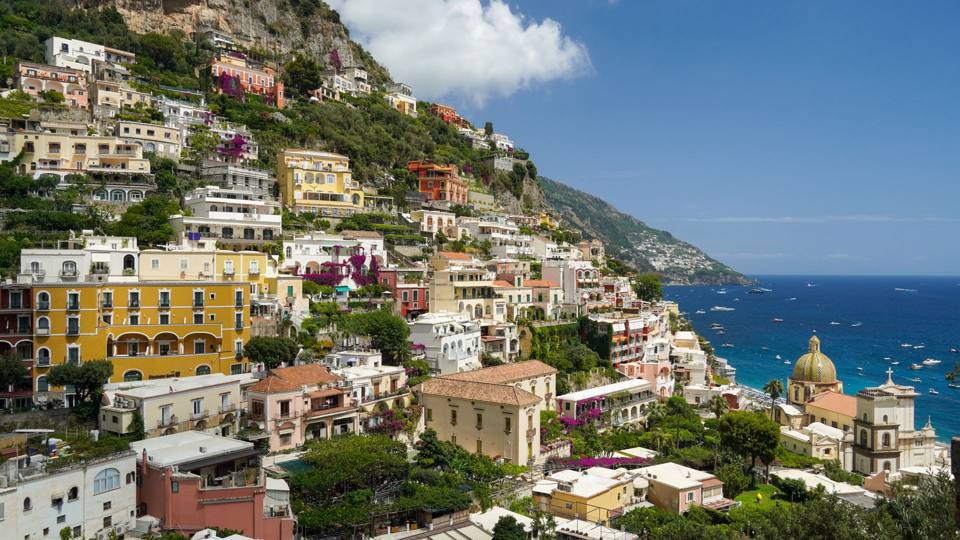
 Positano · Pexels
Italy
Cost of living in Italy for retirees
The north and the famous cities are expensive. The south, where the 7% tax applies, is among the cheapest places in Western Europe.
Monthly budget for a couple
Working estimates for a couple renting a two-bedroom flat, with private health insurance.
| Place | Rent | Daily living | Health insurance (2) | Total a month |
|---|---|---|---|---|
| Rome | €1,500 | €1,450 | €340 | about €3,300 |
| Florence and Tuscany | €1,350 | €1,400 | €340 | about €3,100 |
| Puglia (Lecce, small towns) | €750 | €1,150 | €340 | about €2,250 |
| Sicily (small towns) | €650 | €1,100 | €340 | about €2,100 |
Where the money goes
- Rent: Milan, Rome, Florence and Lake Como are the most expensive. Southern towns offer large flats for a fraction.
- Food: markets, local wine and set lunches keep costs low everywhere.
- Car: in small southern towns you will need one.
- Health: add €2,000 a year per person if you enrol in the SSN, or keep a private plan.
The ERV usually requires about €31,000 a year for one person, so in the south the visa income alone covers a comfortable life.
Questions people ask
Where is the cheapest place to retire in Italy?
Small towns in Sicily, Calabria, Puglia, Molise and Abruzzo, which also qualify for the 7% flat tax if they have up to 30,000 inhabitants.