 Andalusia · Pexels
Which retirement visa can you actually get, and what will you keep after tax?
Portugal, Spain, Italy and Greece compared consulate by consulate: income rules, real processing times, your net income and health cover at your age.
- 36 US consulates mapped
- After-tax income
- Free, no sign-up
What other guides leave out
The national rules are everywhere. What decides your move is the office that handles your file, the time it takes, the tax you keep paying and the insurance you can still buy.
Four countries, four ways to stay
Each visa is built for people who live on a pension or investments. The income bar, the rules on work and the tax that follows are very different.
 PortugalPortugal D7 visafrom €920 a monthLowest income bar · work allowed later
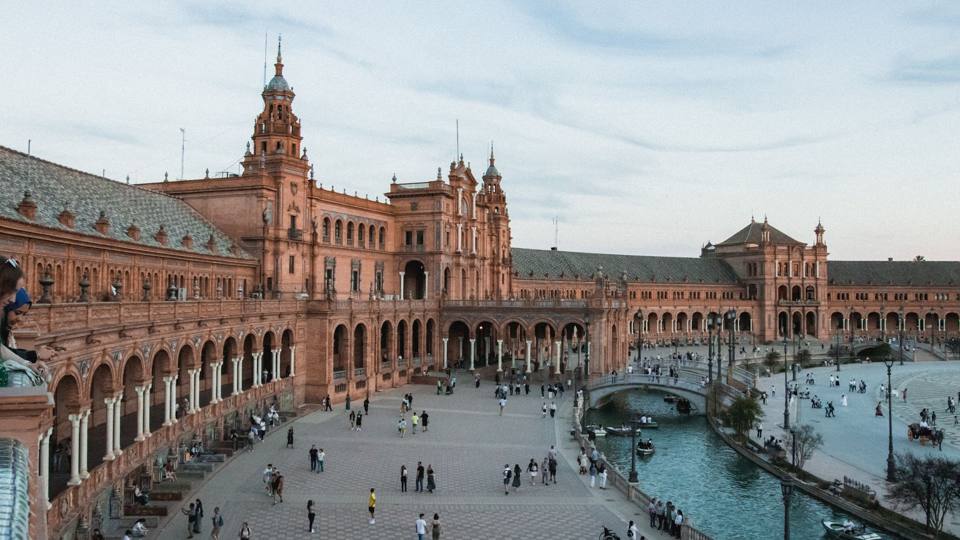 SpainSpain non-lucrative visafrom €2,400 a monthBig cities and coasts · no work allowed
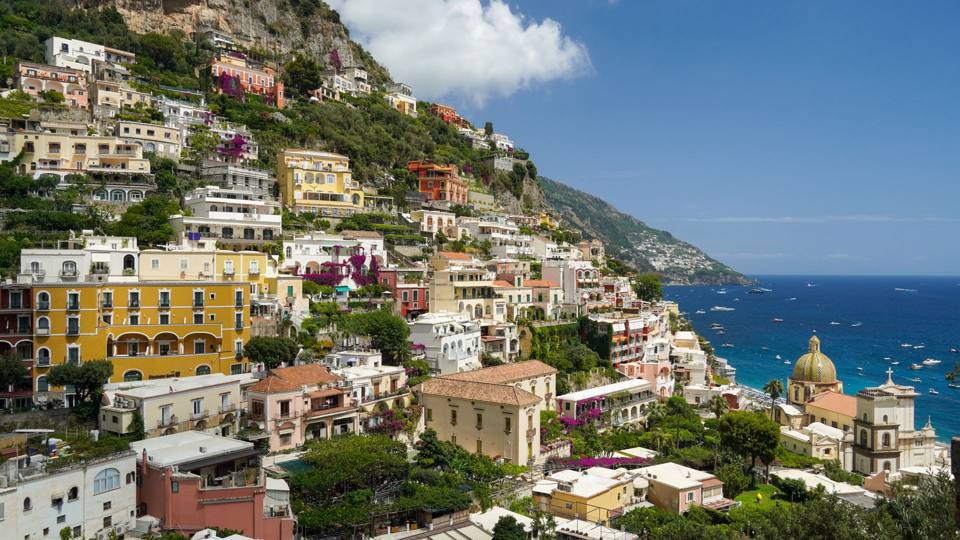 ItalyItaly elective residence visafrom €2,583 a month7% flat tax in small southern towns
 GreeceGreece financially independent person (FIP) visafrom €3,500 a month7% tax on foreign income · citizenship in 7 years
Side by side
| Portugal D7 visa | Spain non-lucrative visa | Italy elective residence visa | Greece financially independent person (FIP) visa | |
|---|---|---|---|---|
| Income (one person) | €920/month | €2,400/month | €2,583/month | €3,500/month |
| Work allowed | Allowed once the residence card is issued | No work of any kind, remote work included | No work at all, remote work included | No employment or self-employment in Greece |
| Stay | No absence over 6 consecutive months (8 months in total per permit) during the first 5 years | Lose the permit if you are away more than 6 months in a year; plan to live in Spain most of the year | Absences over 6 consecutive months without a good reason can block the renewal | Renewal expects you to live in Greece; plan on at least 183 days a year |
| First permit | 2 years | 1 year | 1 year | 3 years (some sources still quote shorter first permits) |
| Long-term | Permanent residence after 5 years | Long-term residence after 5 years | EU long-term residence after 5 years (with A2 Italian) | Permanent residence after 5 years |
| Citizenship | 10 years for most non-EU nationals under the 2026 nationality reform (7 for EU and CPLP) | 10 years for most nationalities (2 for Latin American nationals) | 10 years of legal residence (by naturalisation) | 7 years of legal residence, plus language and civics exams |
Income needed in 2026
| D7 | NLV | ERV | FIP | |
|---|---|---|---|---|
| One person | €920 | €2,400 | €2,583 | €3,500 |
| Couple | €1,380 | €3,000 | €3,167 | €4,200 |
| Couple + 1 child | €1,656 | €3,600 | €3,167 | €4,725 |
| Couple + 2 children | €1,932 | €4,200 | €3,167 | €5,250 |
Italy has no legal amount: the figures use the €31,000 a year consulates usually ask for one person and about €38,000 for a couple; children are assessed case by case.
More tools
Why compare before you choose
Most guides cover one country, often written by a firm that sells that visa. The four visas solve the same problem in different ways: Portugal asks for the least income but the most paperwork in Portugal itself; Spain asks for much more income and bans any work; Italy has no legal figure and a strict no-work rule but a 7% tax in the south; Greece asks for the most income but offers a 7% tax and citizenship after seven years. The right choice depends on your income, how you earn it, and how long you will really spend there.